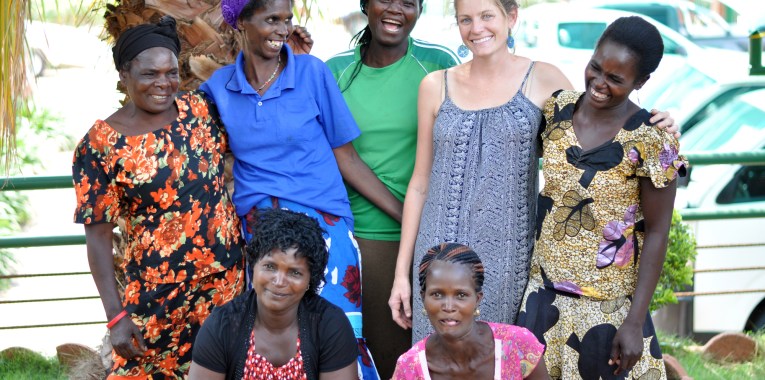
Back in March, I visited South Luangwa National Park for the first time with my family. Seeing the wildlife was unbelievable, but what caught my attention more was the well established artisan scene within Mfuwe. There are makers producing jewelry, painted home goods, carvings and accessories. And while you can find many artisans all throughout the tourist areas of Zambia, these were special. Their goods are of the utmost quality and teeming with creativity. I wished for Kagunda Women to see it all so that they could know what they are capable of. I showed them photos, but they really didn’t do the place justice.
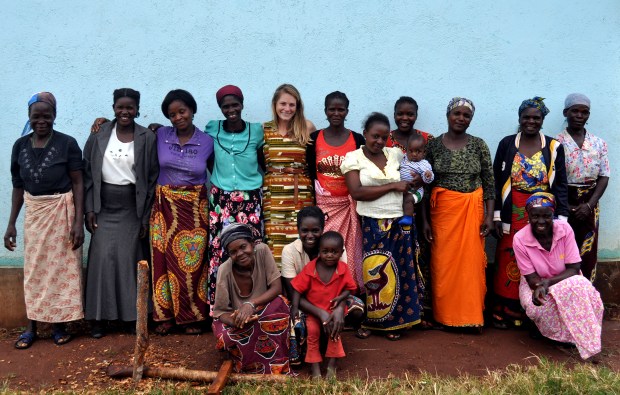
I mulled over the idea for months before finally deciding to write a Peace Corps grant with my husband for them to do a business-minded field trip to tour some of the operations. The women have been so successful at being able to pursue their business with money solely raised off the profit of their products that I felt like asking for outside help for the trip might somehow make it less special. I was wrong. And also incredibly thankful our grant was approved and they got to see the wonder of Mfuwe. Both my husband and I feel that it was one of the best days of our lives being able to attend this trip.
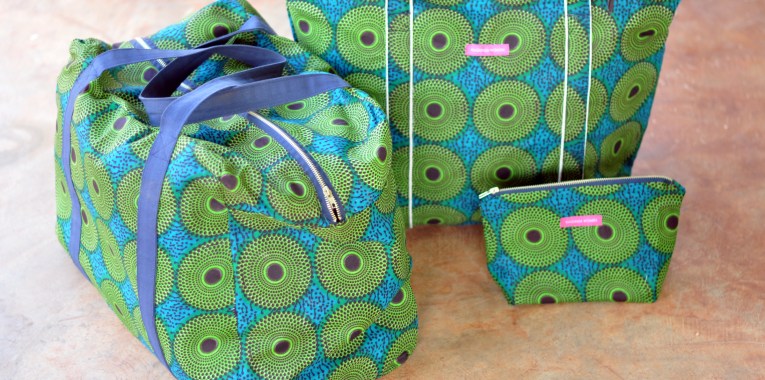
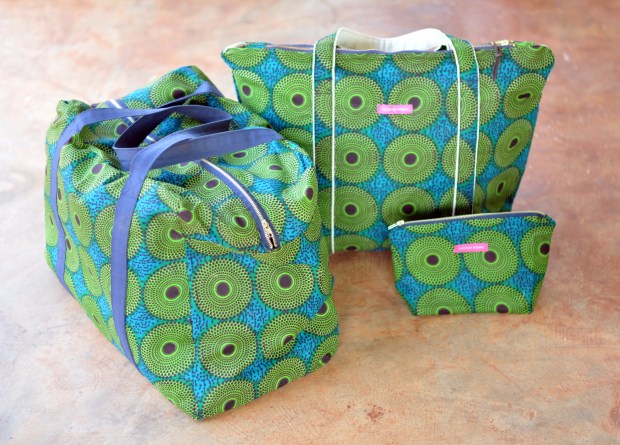
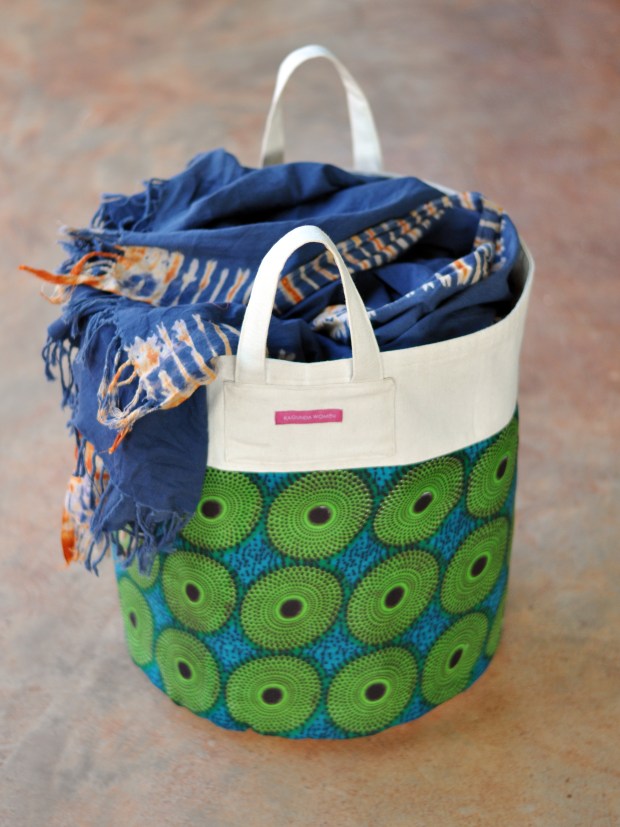
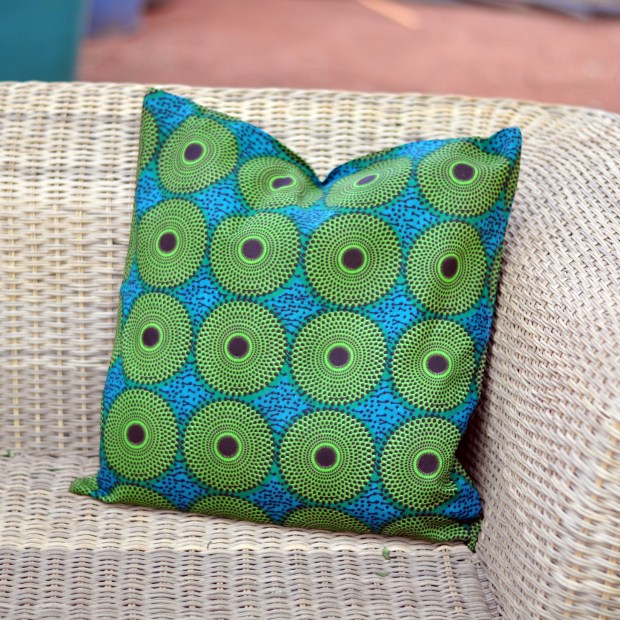
We started our day at Tribal Textiles, an establishment that has been going for more than 25 years. They specialize in hand painting and creating fabrics used for home goods, accessories and so much more. You can see their work all throughout Mfuwe and other lodges in Zambia, as well as in more than 20 other countries. Their work is beautiful, consistent and inspired by the landscape and cultures of Zambia.
The staff, many of whom have been working and empowered by Tribal Textiles for more than a decade, gave the women a full tour of their work spaces. We learned how every piece goes from concept to finished product, stopping in the pattern making and painting spaces, the post painting processes, the baking of the pieces, to the sewing and ironing. Everyone there was so helpful and willing to answer any question the women had.
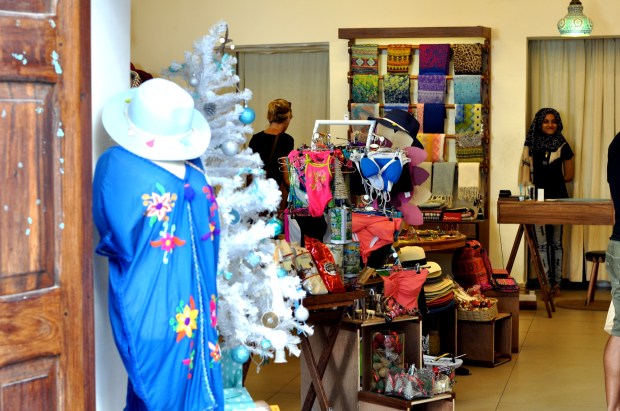
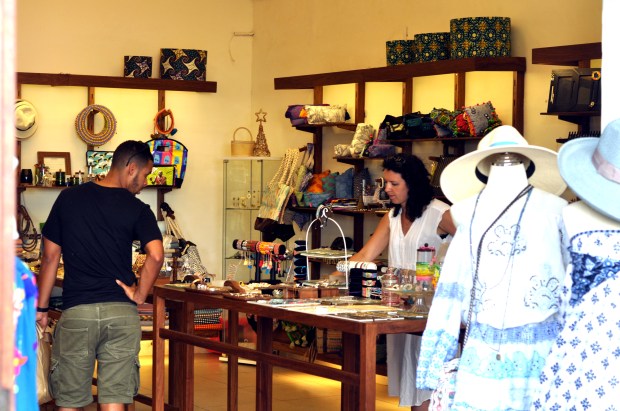
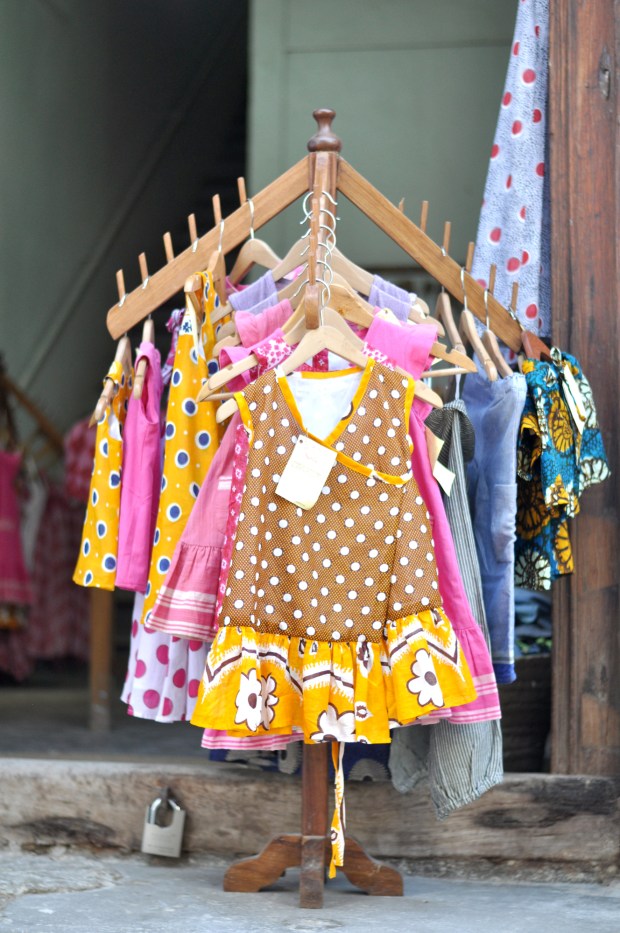
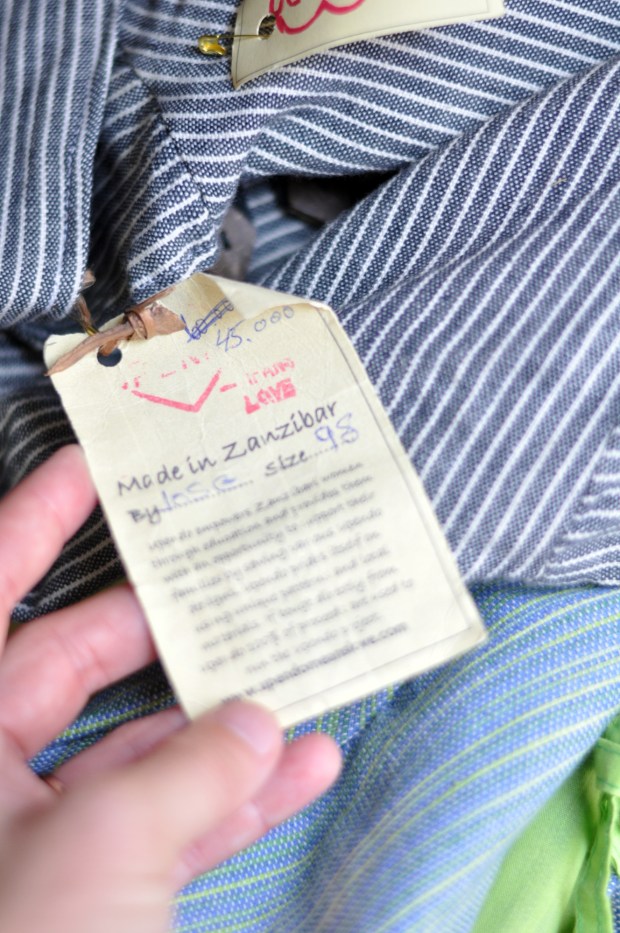
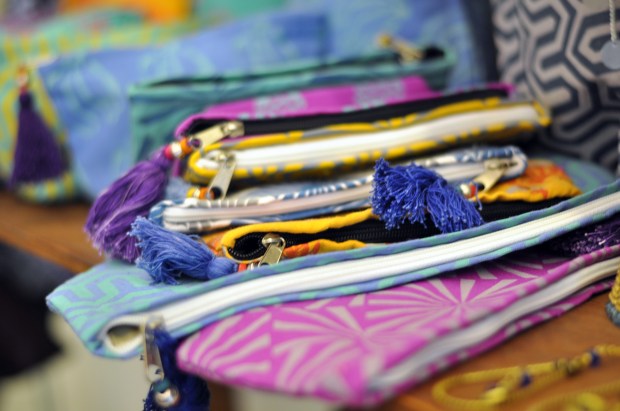
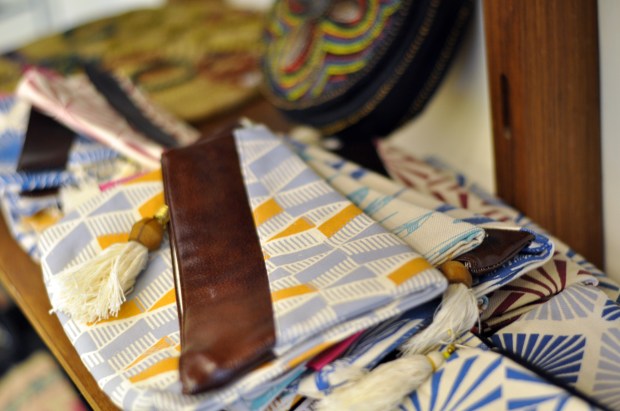
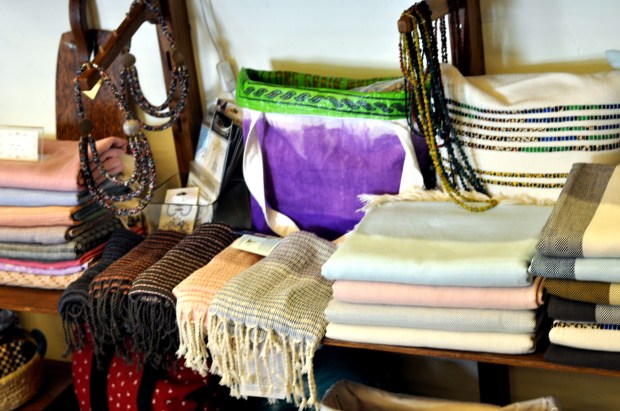
The last stop of the tour was see the final products in the showrooms. I wish I had recorded the gasps of the women, in awe of the beautiful products. I made a point for them to look at the price tags, so they could see how much a business is able to charge for their product if it is well made. Everyone was running around showing one another the price tags they had found and chatting about how they could do the same.
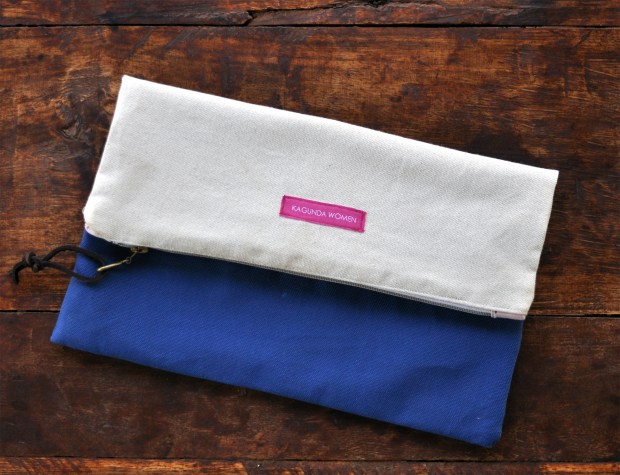
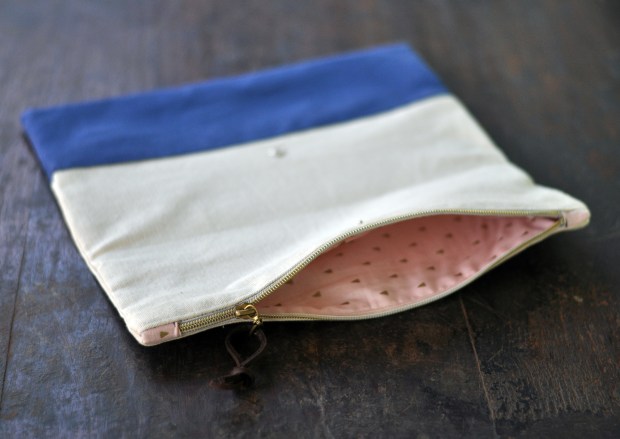
They then got to experience the hand painting themselves, and each painted a piece of cloth that the staff eventually turned into handbags for the women. I think it was actually the first time anyone in the group learned about color mixing (ie. yellow and blue make green) or even touched a paint brush. They were so thrilled.
After everyone completed their pieces they went to the front of Tribal Textiles, where the company allows other artisans to have booths and sell their goods to passing by tourists. The women talked to them about how they make their items, pricing and business practices. I think they were really encouraged to see others like themselves able to support their families from their craft.
The head manager of Tribal Textiles, Kirstie, finished the tour by talking to the women about best business practices and encouraging them to continue their craft. I am so thankful she took the time to talk with them.
After eating lunch with the Tribal Textiles staff (where the women found all the women employees there and did an extended question and answer session), we headed to the entrance of the South Luangwa National Park. Though we only live 120 kilometers from the park, most have never seen the wildlife that Zambia is so well known for. We hadn’t planned it as part of the trip, but we had some extra time before our next stop and decided to see if it was feasible to enter the park. The group didn’t end up having enough money, but the park staff was gracious enough to let them walk out onto the bridge that borders the park. On it, we saw elephants, hippos, impala and crocodiles. I have nothing to compare this experience to; seeing the women see these animals for the first time makes all of the hours of work with them completely worth it.
We ended our day with a tour of Mulberry Mongoose, a jeweler that creates beautiful pieces from items sustained from the Mfuwe area. Some of the pieces are even created from the snare wire confiscated from poaches and a portion of the profits goes back into protecting the wildlife. The owner, Kate, employs and trains people from the area and as a result is empowering them and their community. She gave an amazing business talk to the group and really inspired them. The shop keeper, Clera, gave the women a tour of their space and did an excellent job explaining the product.
As the women loaded onto their minibus to head back to Kagunda, I overheard them whispering to one another, “This is why we have to keep moving forward, so we can become like this.”
They left Mfuwe inspired and ready to move into a bigger and better chapter of their business. Coming from a village, they have never seen anything like Tribal Textiles and Mulberry Mongoose, but now that they have I can’t wait to see the places they will go.
-Bonnie, Founder












 Kagunda Women